Introduction
Have you ever reacted strongly to something small and later wondered, “Why did I respond like that?”
This is not random. It is deeply connected to emotional triggers psychology and how your brain processes stress.
According to holistic healing expert Dr. Uma Patil, most emotional reactions are not about the present moment—they are the result of accumulated stress and unprocessed emotions.
Understanding how your mind works and learning how to reduce stress daily can help you respond calmly instead of reacting impulsively.
What Are Emotional Triggers?
Emotional triggers are situations, words, or behaviors that activate a strong emotional response. These reactions often feel automatic and intense.
Common triggers include:
- Feeling ignored or disrespected
- Criticism or judgment
- Stressful environments
- Past unresolved experiences
Triggers are not the problem—they are signals that something deeper needs attention.
The Science Behind Emotional Triggers Psychology
To understand triggers, we need to look at how the brain works.
When you experience stress, your brain activates the fight or flight response—a survival mechanism designed to protect you from danger.
Brain Stress Reaction Explained
When triggered:
- The amygdala (emotional center) detects a threat
- It sends a signal to your body to react instantly
- Stress hormones like cortisol are released
- Logical thinking (prefrontal cortex) takes a back seat
This is why you may:
- Say things you didn’t mean
- Feel overwhelmed quickly
- React before thinking
As Dr. Uma Patil explains, “When the emotional brain takes over, awareness fades, and reaction begins.”
Why Small Things Feel So Big
Ever noticed how one small comment can ruin your mood?
That’s because your reaction is not just about the present—it’s about:
- Accumulated stress from the day
- Suppressed emotions
- Mental fatigue
Think of your emotions like a cup. Every stressor fills it. When it overflows, even a tiny trigger can cause a big reaction.
The Hidden Build-Up of Stress
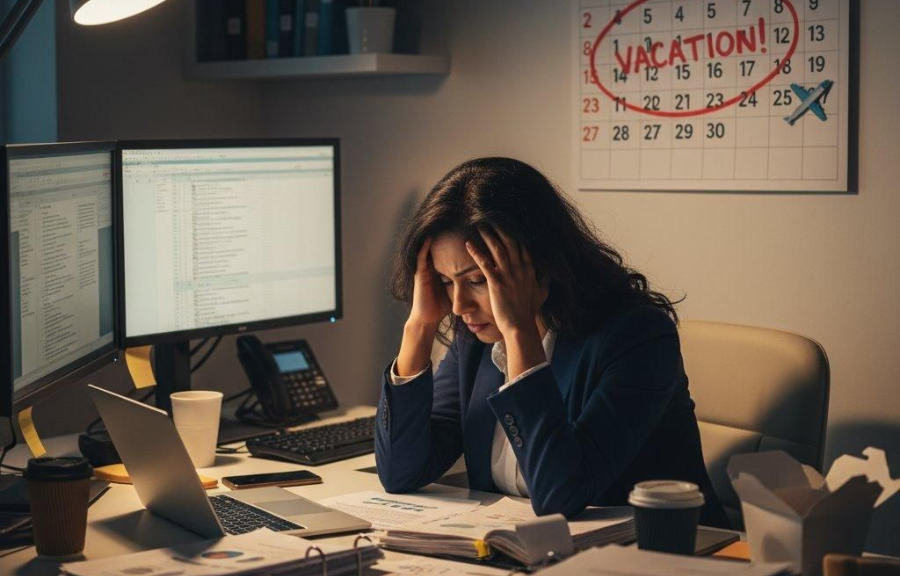
Most people don’t deal with stress in real time. Instead, they:
- Ignore minor frustrations
- Suppress emotions
- Push through without rest
Over time, this creates emotional overload.
This is why learning how to reduce stress daily is essential—not just for mental health, but for better relationships and decision-making.
How to Reduce Stress Daily: Practical Habits
Building a daily self-care routine helps release emotional pressure before it builds up.
1. Start Your Day with Awareness
Instead of rushing into your day, take a few minutes to:
- Breathe deeply
- Set intentions
- Observe your thoughts
This helps your brain stay calm and focused.
2. Practice Journaling
Writing down your thoughts allows you to:
- Process emotions
- Identify triggers
- Gain clarity
Even 10 minutes a day can make a big difference.
3. Move Your Body
Physical activity is one of the best stress relief techniques.
It helps:
- Release tension
- Improve mood
- Reduce cortisol levels
You don’t need intense workouts—walking, yoga, or stretching works well.
4. Try Mindfulness or Meditation
Mindfulness trains your brain to stay present.
Benefits include:
- Reduced emotional reactivity
- Improved focus
- Better emotional control
As recommended by Dr. Uma Patil, even a few minutes of daily meditation can significantly improve emotional balance.
5. Talk It Out
Suppressing emotions increases stress.
Instead:
- Share your thoughts with someone you trust
- Seek guidance when needed
- Express rather than suppress
6. Prioritize Rest
Lack of sleep increases emotional sensitivity.
Make sure to:
- Maintain a consistent sleep schedule
- Avoid screens before bed
- Create a calm environment
Building a Healthy Self-Care Routine
A consistent self-care routine is key to emotional stability.
Your routine doesn’t need to be complicated. It just needs to be consistent.
A simple daily routine could include:
- Morning breathing exercise
- 10 minutes of journaling
- Light physical activity
- Evening reflection
Breaking the Reaction Cycle
Understanding triggers is the first step. The next is learning how to respond differently.
Pause Before Reacting
When triggered:
- Stop
- Take a deep breath
- Observe your feelings
- Respond consciously
This small pause can prevent unnecessary conflict.
Identify the Root Cause
Ask yourself:
- Is this about the current situation?
- Or is it connected to past stress?
This awareness helps you respond wisely.
Holistic Healing Approach to Emotional Balance
Holistic healing focuses on treating the root cause of stress rather than just managing symptoms.
According to Dr. Uma Patil, true healing involves:
- Emotional awareness
- Energy balance
- Mind-body connection
You can explore more about these approaches here:
👉 https://drumapatilholistichealing.com/
Final Thoughts
Your emotional reactions are not random—they are messages.
Understanding emotional triggers psychology and practicing daily stress relief techniques can transform how you respond to life.
As Dr. Uma Patil emphasizes, healing begins when you start listening to your emotions instead of ignoring them.
Take a moment today to check in with yourself.
Because when you take care of your mind daily, you don’t have to deal with emotional overflow later.

Join Our WhatsApp Group
Stay connected with us in real time. Join our WhatsApp group to receive the latest updates, announcements, offers, and important information directly on your phone. Don’t miss out—be part of our growing community today.